The United States and Greenland: a geopolitical hypothesis that challenges more than a thousand years of Danish rule
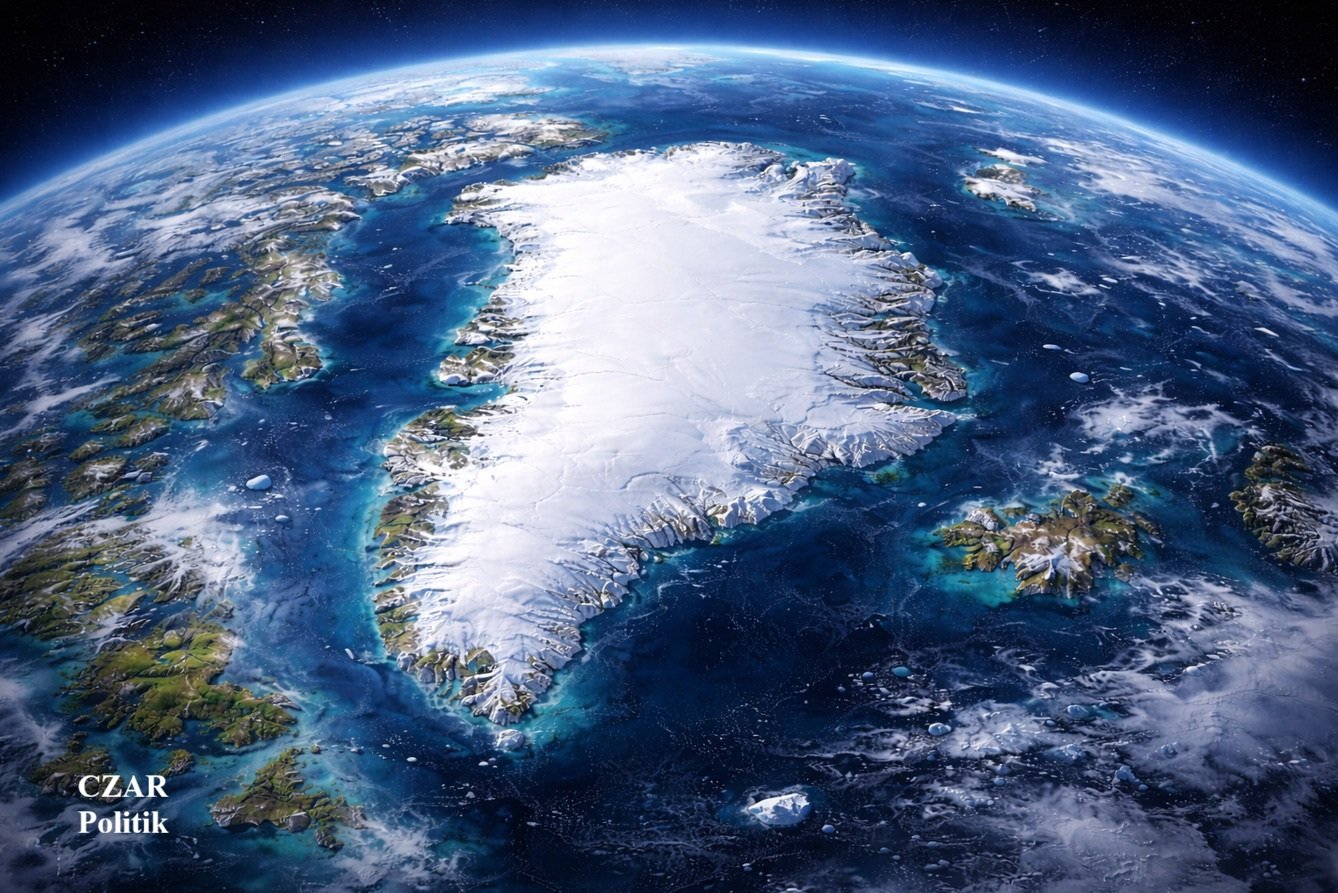
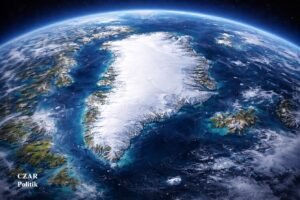
The United States could put an end to more than 1,000 years of Danish control over Greenland—a possibility that periodically resurfaces in international debate and that, although unlikely in the short term, exposes latent tensions in the Arctic and the strategic importance of the world’s largest island. Greenland, an autonomous territory under the sovereignty of the Kingdom of Denmark, has become a key piece on a global chessboard shaped by climate change, competition for resources, and disputes over emerging maritime routes.
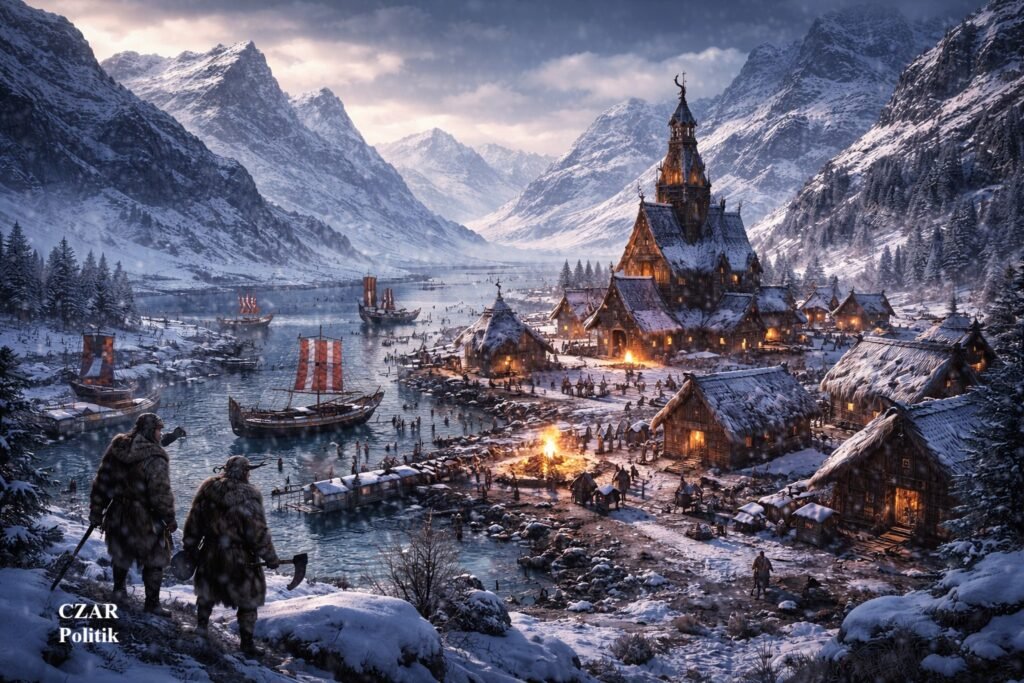
The relationship between Greenland and Denmark dates back to the 10th century, when Norse explorers established the first settlements. Over the centuries, Copenhagen consolidated its administrative, religious, and military presence, transforming the territory into an integral part of the kingdom. Even during periods of isolation and economic hardship, Denmark maintained control, strengthening institutional ties and investing in local governance. In 1979, the creation of a home rule system expanded the powers of the Greenlandic parliament without breaking Danish sovereignty—a delicate balance that persists to this day.
The interest of the United States in Greenland is not new. During World War II, Washington established bases on the territory to protect the North Atlantic. During the Cold War, the island gained prominence as a forward outpost for surveillance against Soviet missiles. Thule Air Base—now renamed—symbolized for decades this strategic presence, linked to air defense and space monitoring. More recently, global warming has rekindled American interest by making the Arctic more accessible to navigation and the exploration of rare mineral resources.
Greenland’s geographic position explains much of this fascination. Located between North America and Europe, the island functions as a natural bridge between the two continents. Control of the region’s airspace and maritime areas offers advantages for defense systems, communications, and logistics. In addition, progressive ice melt is opening new commercial routes that could shorten distances between major markets, altering traditional flows dominated by canals such as Suez and Panama.
Aware of this strategic value, Denmark has, over the centuries, adopted a consistent policy to avoid losing control over Greenland. This has included everything from missionary and administrative presence during the colonial period to modern investments in infrastructure, education, and healthcare. In international forums, Copenhagen firmly defends its sovereignty over the territory while simultaneously supporting the gradual self-determination of Greenlanders, seeking to avoid external pressures that might exploit internal fissures.
The debate gained global visibility when, in recent years, U.S. leaders publicly mentioned the idea of “buying” Greenland—a proposal promptly rejected by Copenhagen and by Nuuk. The episode, although diplomatic in nature, revealed how the island is viewed as a long-term strategic asset. It also highlighted the limits of geopolitical pragmatism in a world governed by norms of sovereignty and international law.
For Greenlanders, the discussion is not merely abstract. The local population, predominantly Inuit, balances the desire for greater economic autonomy with the need for Danish financial support. The island faces structural challenges such as a high cost of living, dependence on imports, and environmental vulnerability. Any abrupt change in sovereignty would bring profound impacts on identity, governance, and the development model.
On the international stage, a hypothetical attempt by the United States to impose control would encounter significant obstacles. Beyond political resistance from Denmark and Greenland itself, there would be broad diplomatic repercussions involving military alliances and multilateral organizations. The Arctic today is a space of regulated cooperation, where treaties and agreements seek to prevent excessive militarization and direct conflict.
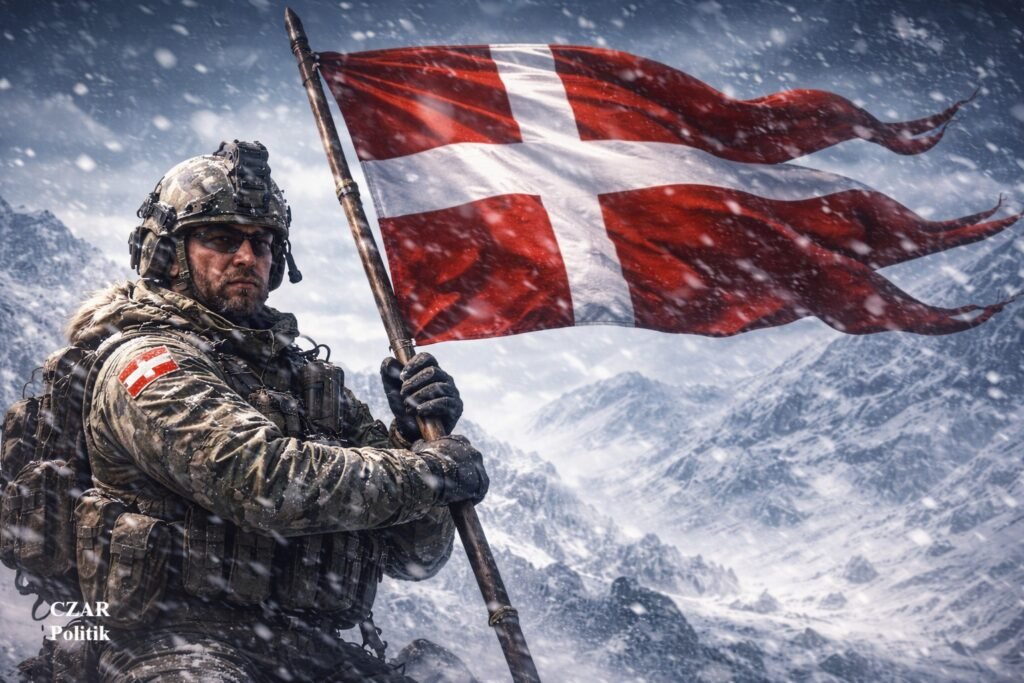
The challenges to a potential American invasion—still treated more as a theoretical exercise than as a real plan—would be numerous. Greenland’s extreme environment imposes severe logistical limitations, with a hostile climate, scarce infrastructure, and vast internal distances. International reaction could result in political and economic sanctions, in addition to shaking historic alliances. Domestically, the lack of legitimacy among the local population would make any occupation unsustainable in the long term.
Thus, rather than an imminent scenario, the possibility of the United States threatening Danish control over Greenland serves as a barometer of transformations in the Arctic. It reveals how an island covered in ice, peripheral for centuries, has become central to the disputes of the 21st century—and how history, geography, and diplomacy continue to impose limits on the ambitions of great powers.




Publicar comentário