The Tragic End of the Maduro Era

The so-called “Maduro Era” came to an abrupt and dramatic end in an episode that surprised not only Venezuelans but the international community as well. The world awoke to images of the capital, Caracas, plunged into a scene of tension, smoke, and widespread disruptions, as rumors spread rapidly: the government had collapsed and Nicolás Maduro was no longer in the Miraflores Palace. Shortly afterward, what had seemed unthinkable just days earlier was confirmed — U.S. helicopters had carried out a covert operation that removed the then-president from the country, symbolically marking the end of a political cycle that had lasted more than a decade.
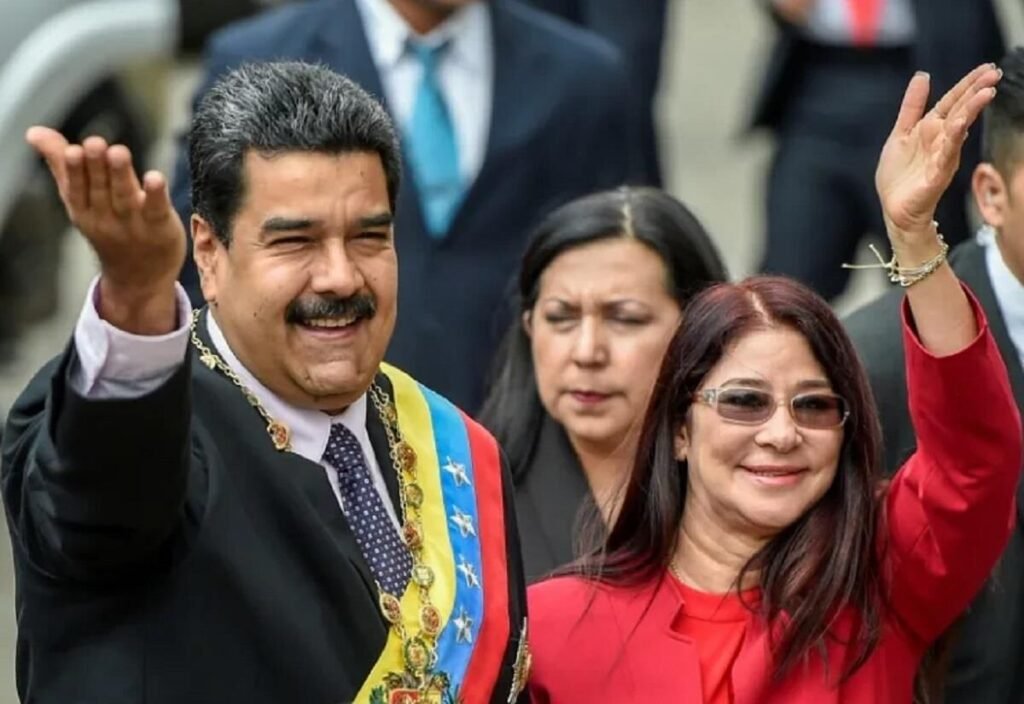
For Venezuelans, the shock was twofold. On one hand, there was the emotional impact of seeing a regime fall that, for many, represented years of economic crisis, shortages, forced migration, and the deterioration of institutions. On the other, there was astonishment at how it all happened: without long speeches, without major prior announcements, but through a rapid and silent maneuver that reshaped power in the country within just a few hours. Streets were emptied, services suspended, and the city — overtaken by uncertainty — seemed suspended between a past that had just collapsed and a future still undefined.
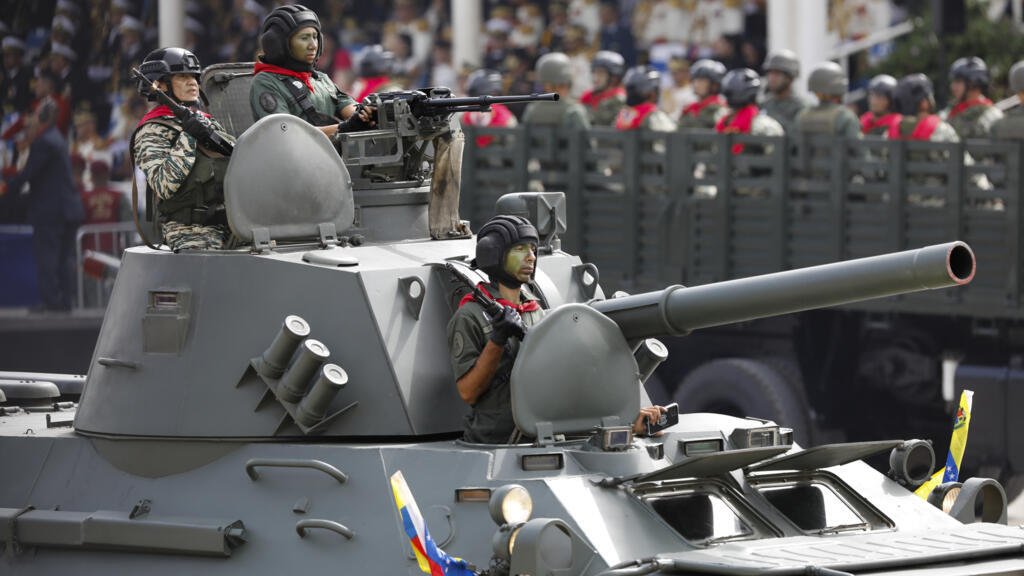
The Maduro Era was marked by a combination of factors that, over the years, eroded the foundations of the Venezuelan state. International sanctions, extreme polarization, loss of trust in institutions, the exodus of millions of citizens, and the progressive concentration of power created an environment of structural fragility. The government, which for a long time sustained its narrative of resistance and sovereignty, began to face growing difficulties in maintaining economic, political, and social control of the country. The collapse, when it came, was not merely a political event: it was the cumulative result of internal and external pressures that finally broke the precarious balance sustaining the regime.
The flight that took Maduro out of the country immediately became a symbol. For his supporters, it was seen as a forced withdrawal, a defeat imposed by external forces. For his critics, it represented the end of a cycle that needed to be closed so that Venezuela could finally attempt to rebuild. Regardless of interpretation, the episode marked a clear break with the recent past and made it evident that the country had entered a new phase, albeit a deeply unstable one.
In the hours and days that followed, the dominant feeling was expectation mixed with apprehension. Many Venezuelans celebrated on social media and in small gatherings, but the general mood was far from simple relief. The fall of a regime does not automatically mean the birth of a stable order. On the contrary, it opens space for disputes, power realignments, and difficult decisions that will shape the country’s direction for many years.
The international community reacted with caution. Governments spoke of supporting a democratic transition, multilateral organizations stressed the importance of free elections and respect for civil rights, while countries allied with the former government adopted a more reserved tone, waiting for developments. It became clear that Venezuela was once again moving to the center of the regional and global geopolitical chessboard — no longer as a symbol of resistance, but as a territory contested for influence, economic support, and political legitimacy.

Despite the fall of the dictator, Venezuela’s future remains deeply uncertain. Rebuilding institutions, reviving the economy, ensuring basic services, and restoring public trust are immense challenges. In addition, it will be necessary to deal with open wounds, internal divisions, and often contradictory expectations about what the country should become.
The end of the Maduro Era does not represent a full stop, but the beginning of a complex and decisive chapter. Venezuela now stands at a historic crossroads: the possibility of a fresh start exists, but the path toward real stability is still far from clear.








Publicar comentário