Somaliland Finally Recognized: The Diplomatic Milestone Driven by Israel

On December 26, 2025, the State of Israel became the first country in the world to officially recognize the Republic of Somaliland as an independent and sovereign state, in a decision that few imagined would be realized after more than three decades of Somaliland’s search for international recognition. The declaration was signed by Israeli Prime Minister Benjamin Netanyahu and Somaliland President Abdirahman Mohamed Abdullahi, in what many consider a historic moment for the small region of the Horn of Africa.
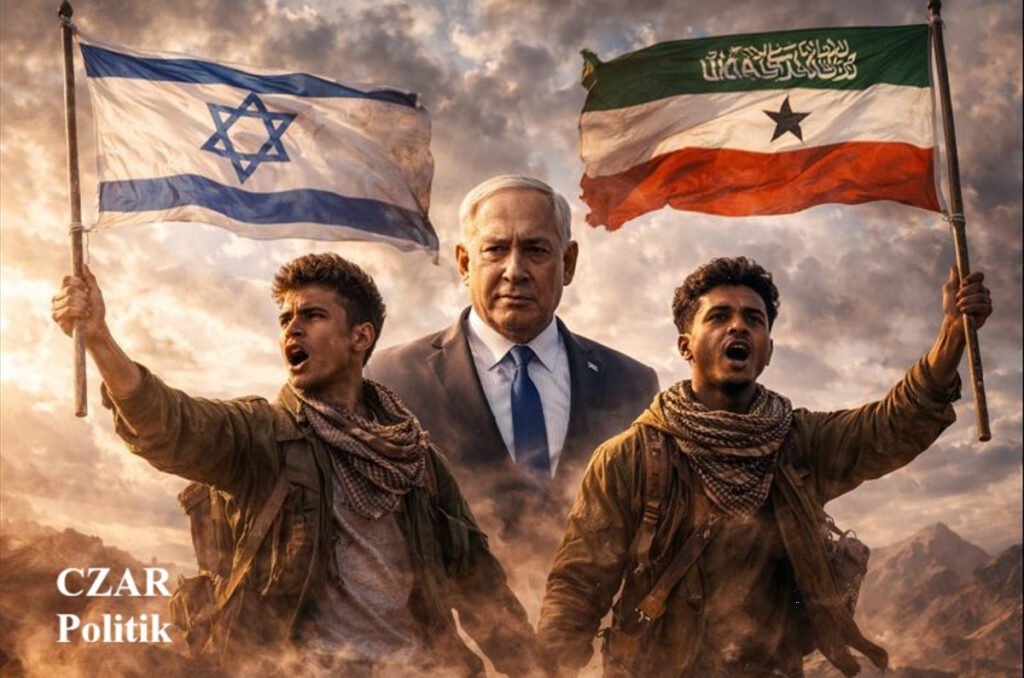
Somaliland had proclaimed its independence from Somalia in 1991, in the context of a brutal civil war that disintegrated the country and plunged much of its territory into chaos. While the rest of Somalia faced prolonged conflict, Somaliland built its own institutions, held elections, maintained internal peace, and developed a functioning administration — with a parliament, government, and flag — in sharp contrast to the unstable situation in Mogadishu.
Even so, despite this stability and near-full state functionality, no other country had formally recognized Somaliland as sovereign until now. Several nations and international organizations maintained a policy of supporting Somalia’s territorial integrity, arguing that unilaterally recognizing the independence of a breakaway region could create dangerous precedents for other parts of the world with separatist movements.
Israel’s step therefore marks a watershed moment. Netanyahu announced that diplomatic relations would not be limited to symbolic recognition: Israel intends to cooperate with Somaliland in areas such as agriculture, health, technology, and the economy, and invited President Abdullahi to visit the country. The prospect of including Somaliland within the framework of the Abraham Accords — normalization agreements between Israel and other mostly Muslim countries — is part of Jerusalem’s official narrative to justify the initiative.
This diplomatic achievement, however, did not occur without controversy. The Somali government condemned the decision, calling it a “deliberate attack on its sovereignty” and stating that Somaliland remains an integral part of its territory. Countries such as Turkey, Egypt, and Djibouti, as well as organizations like the African Union and the Arab League, also repudiated the Israeli recognition, defending respect for borders and for the principles of international law that underpin state unity.
The international reaction reflects broader concerns: the possibility that recognizing Somaliland could pave the way for other separatist claims or alter delicate balances in unstable regions. The African Union, in particular, declared that it rejects any recognition, stressing that preserving the unity and territorial integrity of African states is fundamental to stability on the continent.
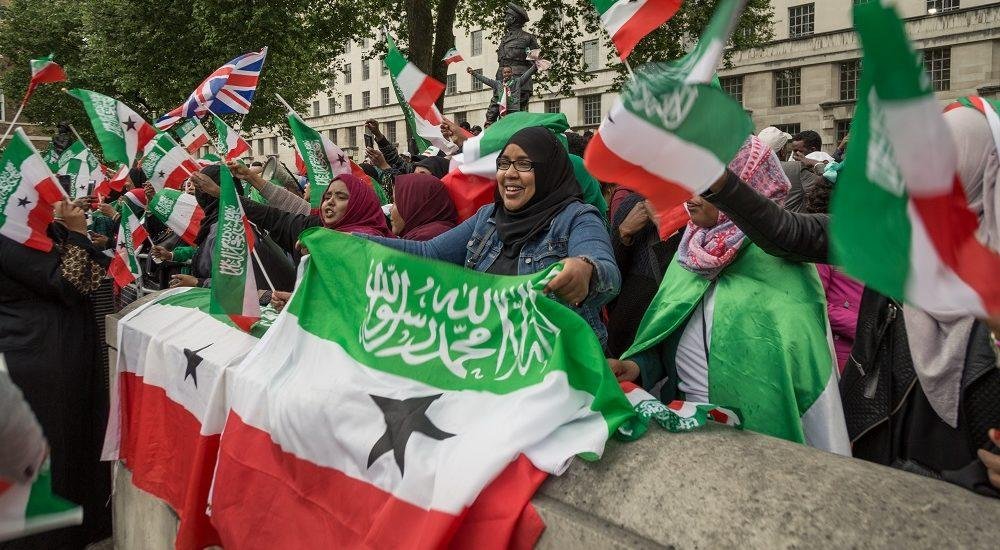
From the perspective of Hargeisa, Somaliland’s capital, the Israeli recognition was enthusiastically received as a “historic moment,” a gesture that may finally place the region unequivocally on the international map and open doors to broader diplomatic relations and economic cooperation.
But the future that now opens is far from simple. The first challenge is to consolidate this recognition and seek to have other nations follow Israel’s example. International acceptance is a slow process and depends on many geopolitical, economic, and legal factors. In addition, there remains the obstacle of continuing negotiations with Somalia and with regional blocs that view Somaliland’s independence as a threat to the principle of territorial integrity — a value cherished both by the UN and by many world powers.
There are also internal challenges for Somaliland: strengthening its economy, attracting investment, dealing with tensions in border areas, and convincing the international community that its stability is sustainable in the long term. With a population of about 6 million people and a strategic location at the entrance to the Gulf of Aden, many analysts see potential for Somaliland to become an even more relevant actor in trade, regional security, and Red Sea politics.
Thus, Israel’s decision to recognize Somaliland does not close a chapter, but opens a new one full of challenges and possibilities. Beyond a simple diplomatic formality, it represents a test for the international system and for Somaliland itself: to what extent can a functioning state transform symbolic recognition into political and geopolitical reality? Only time will tell — but for the first time, there is an affirmative answer from a sovereign country.








Publicar comentário